Living in an apartment with a pet can be incredibly rewarding, but it comes with unique challenges. Limited space, noise concerns, and protecting your home from wear and tear are all important considerations. A little extra effort today can help keep your apartment in great condition and your furry friend happy throughout your lease.
1. Know Your Pet Policies
Before bringing a pet into your apartment, make sure you understand your community’s pet policies and lease requirements.
At J. Michael Real Estate, residents are required to complete a Pet Addendum before keeping a pet in their apartment. If you have roommates, all roommates must also sign the addendum. This helps ensure that everyone living in the apartment is aware of and agrees to the responsibilities that come with having a pet in the home.
If you’re considering adopting or bringing home a new pet, contact the leasing office first to confirm that you’ve completed all required paperwork and that your pet meets community guidelines.
2. Maximize Your Space
One of the biggest apartment-living challenges is making the most of limited square footage.
Utilize Vertical Space
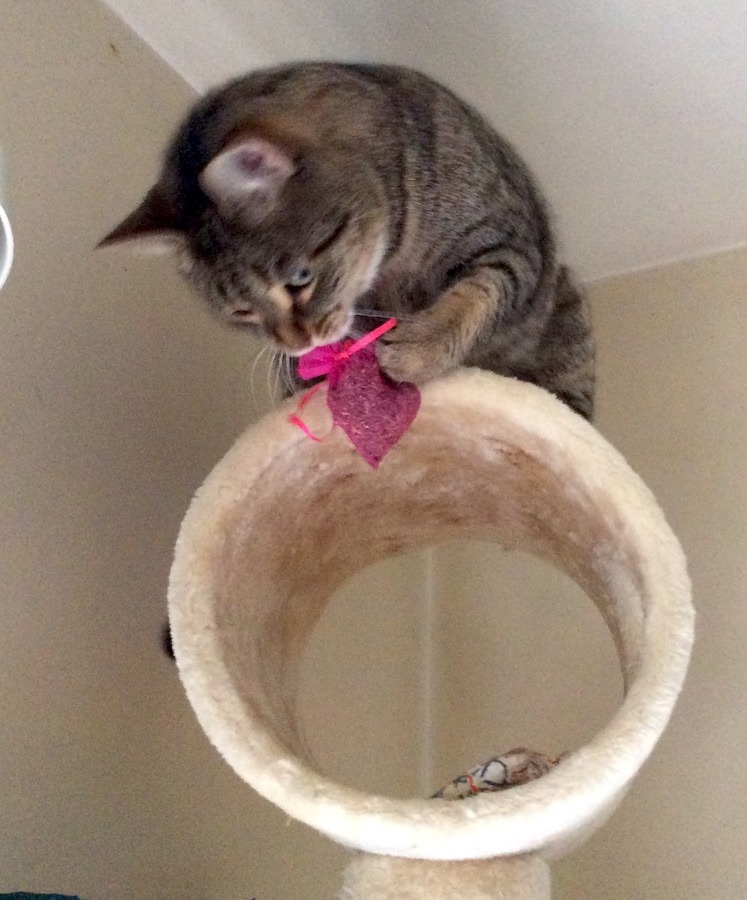
For cats especially, vertical space can make a small apartment feel much larger.
Consider:
- Window-mounted beds or perches
- Cat trees
- No-drill shelving systems designed for renters
- Furniture: https://l1nq.com/314ey5x
- Shelves:
- https://l1nq.com/68kujvj
- Modular cat tree: https://l1nq.com/u69c3ec
Keep Pet Supplies Organized
Pet supplies can quickly take over an apartment. Try:
- Pet-specific furniture with hidden storage compartments
- Decorative baskets and storage bins
- Storage ottomans that double as storage
3. Prevent Boredom and Encourage Enrichment
A bored pet is more likely to develop unwanted behaviors like scratching, chewing, barking, or destructive play.
Rotate Toys
Just like people, pets can lose interest in the same toys over time. Keep a small collection available and rotate toys every few weeks to make them feel new again.
Consider Interactive Toys
Automatic and puzzle toys can help keep pets occupied while you’re studying, working, or away from home.
Create Entertainment Opportunities
- Training exercises using positive reinforcement
- Window perches for bird watching
- Food puzzles and treat dispensers
- Regular play sessions

Remember: positive reinforcement is one of the most effective ways to encourage desired behaviors and discourage unwanted ones.
4. Protect Your Apartment from Damage
Taking preventative measures can save money and stress when it’s time to move out.
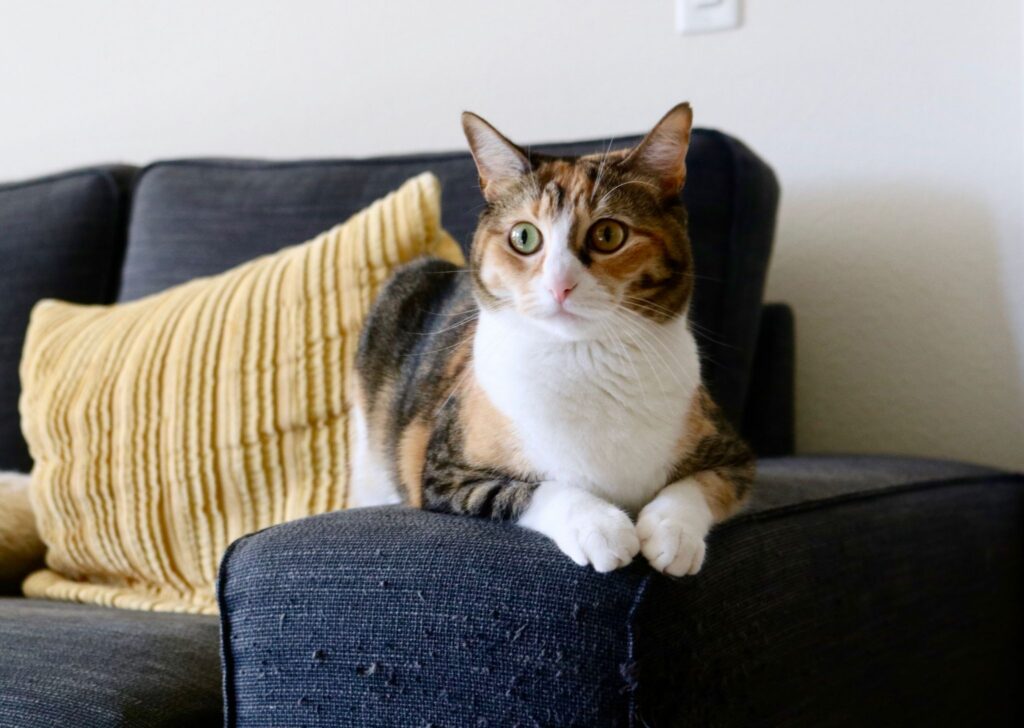
Protect Floors and Furniture
- Use furniture leg wraps when appropriate
- Use area rugs to protect flooring
- Add washable furniture covers
- Consider corner guards and baseboard protectors
Keep Nails Trimmed
Regular nail trims can significantly reduce damage to floors, doors, and furniture.
Address Accidents Immediately
The quicker accidents are cleaned, the less likely they are to cause permanent stains or odors. Keep a quality carpet stain and odor remover on hand.
For Cats
- Provide multiple scratching surfaces
- Consider claw caps if appropriate for your pet
- Redirect scratching behavior using positive reinforcement
5. Safety During Maintenance Visits
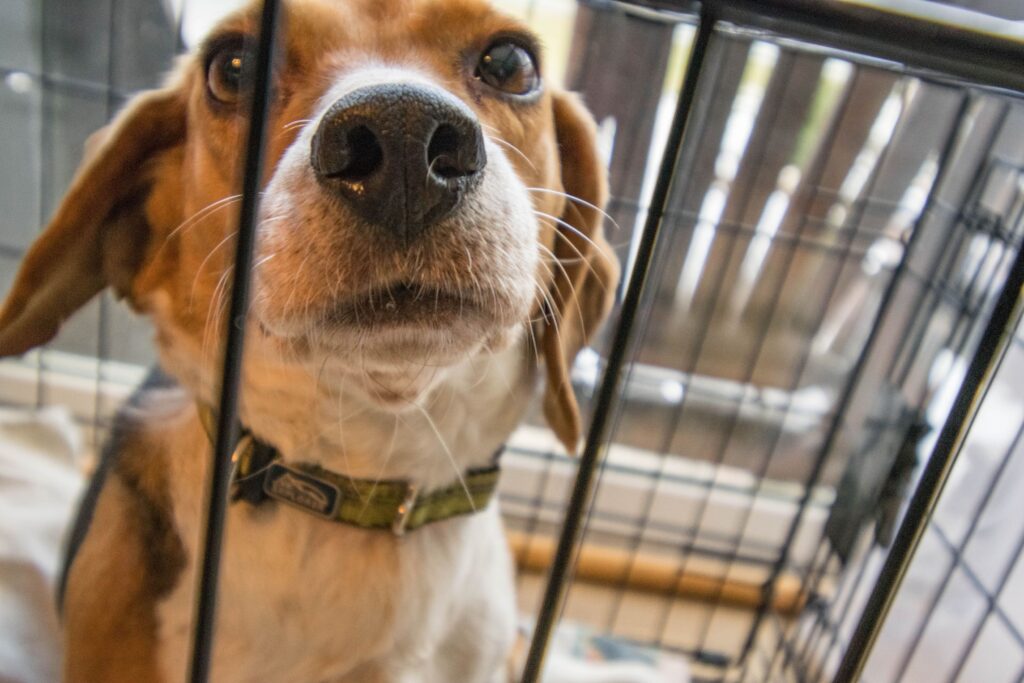
Maintenance staff may occasionally need access to your apartment for repairs or inspections.
Before any scheduled visit:
- Secure pets in a separate room if possible
- Inform management of any pets that will be in the apartment
- Ensure collars and identification tags are up to date
- Double-check that doors, gates, and crates are secure
Taking these precautions can help prevent accidental escapes and keep everyone safe.
General safety tip: consider posting a sticker near your door to inform emergency responders of your pets in case of emergency
6. Balcony Safety
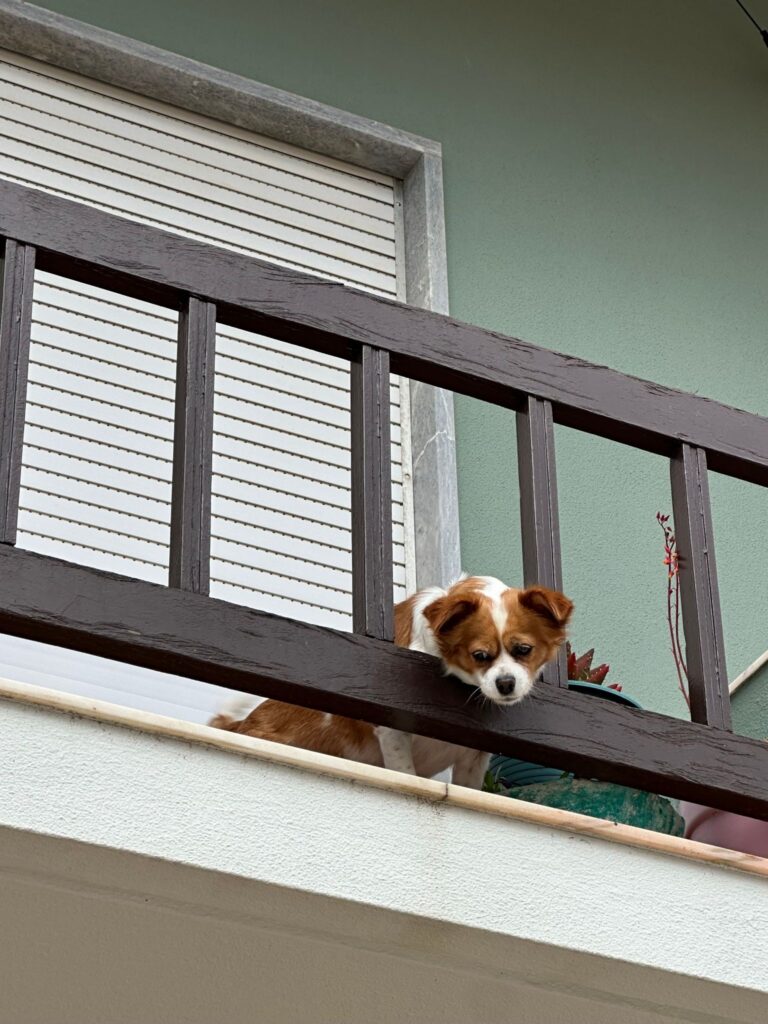
Many apartment pets enjoy fresh air, but balconies and windows require extra precautions.
Balcony Safety
If your apartment has a balcony, consider installing renter-friendly protective screening to prevent pets from slipping through railings. You can also consider a screen for the door leading to the balcony.
7. Be a Good Neighbor
Apartment living means sharing walls with others.
Manage Noise
To reduce excessive barking or meowing:
- Provide plenty of mental stimulation
- Exercise pets regularly
- Use white noise machines or calming music
- Address separation anxiety concerns early
Many noise-related issues stem from boredom, stress, or excess energy.
8. Create a Healthy Environment
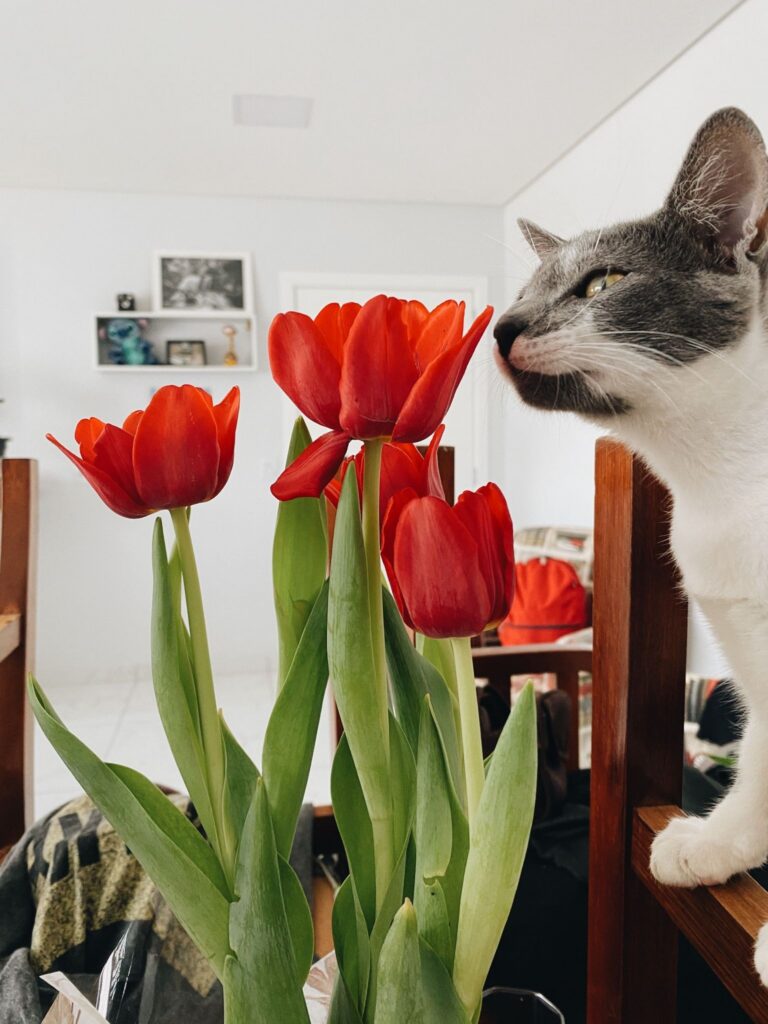
Use Pet-Safe Plants
Many common houseplants are toxic to pets. Always verify that any plant brought into your apartment is pet-safe.
Improve Air Quality
An air purifier can help reduce pet odors, dander, and allergens, making your apartment more comfortable for both residents and guests.
Consider Indoor Potty Solutions
For some dogs, indoor grass pads or pet toilets can be helpful, especially during severe weather or for apartment residents with balconies.
9. Document Your Apartment Condition
When moving into a new apartment, carefully complete your move-in condition report.
You may want to take photos of:
- Existing scratches
- Flooring damage
- Worn blinds
- Wall marks
- Any other pre-existing issues
This documentation can help avoid confusion at move-out.
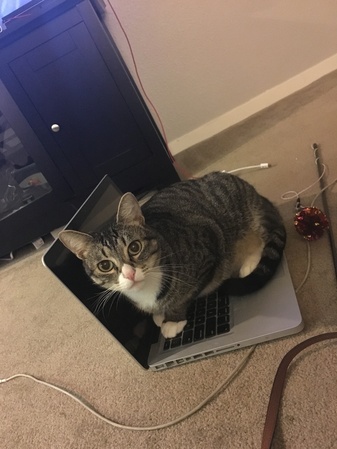
10. Watch Out for Common Pet Damage
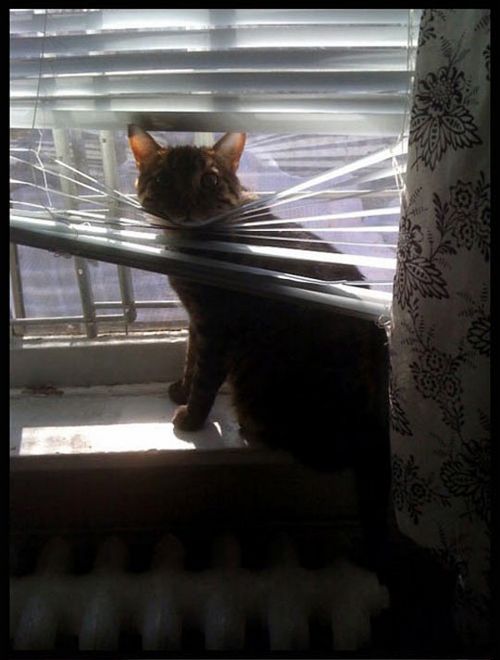
From our experience, one frequently overlooked issue involves window blinds.
Cats often enjoy chewing blind strings and playing with pulley cords. Consider using cord cleats to keep cords safely secured and out of reach. Be cautious when tying cords into knots, as knots that cannot be removed may be considered damage at move-out.
Final Thoughts
By creating engaging spaces, preventing damage before it happens, and being mindful of your neighbors, you can help ensure a positive experience for yourself, your pet, your wallet, and your apartment community.
If you have questions about pet policies or are considering adding a pet to your household, the J. Michael Real Estate team is happy to help.
📞(608)233-4440
🖥️ Madison: info@jmichaelrealestate.com
🖥️ Iowa City: info@iowa-city.apartments